
Every workplace faces moments that test people. Projects may slow down because instructions are unclear, deadlines may shift unexpectedly, or disagreements between colleagues may affect the wider team. In such situations, managers often feel pressure to act quickly but lack structured ways to guide their teams effectively.
Here, HR and L&D leaders can provide guidance to managers, set expectations for communication, and introduce practical frameworks that help teams respond calmly and confidently. Structured approaches give teams clear steps to follow, helping them move forward with clarity instead of reacting on instinct.
This blog organizes practical strategies into categories based on the type of challenge a team faces. Each method is easy to teach, adaptable, and effective across departments. Let’s dive in.
1. When Decisions Need to Be Made Quickly
Urgent situations require immediate attention. A technical issue may disrupt multiple teams, or a project may lose direction in the middle of the day. Quick decisions are necessary, but acting without a method can increase mistakes and confusion.
OODA Loop
The OODA Loop offers a four-step cycle to guide teams under pressure:
- Observe: Gather the facts as they are.
- Orient: Understand the facts in context.
- Decide: Select the next actionable step.
- Act: Implement and review the result.
This method encourages small, deliberate actions rather than rushed, large-scale decisions. Teams stay coordinated and informed while adapting to changing circumstances.
Example: Resolving a Technical Issue Quickly
When a system outage affected multiple departments, the project manager used the OODA Loop:
- Observe: Collected immediate updates from IT.
- Orient: Identified which teams were blocked the most.
- Decide: Sent a clear message outlining the short-term plan to affected teams.
- Act: Provided brief status updates every ten minutes until the issue was resolved.
This approach kept everyone informed, reduced panic, and ensured work continued as smoothly as possible.
2. When Problems Keep Repeating
Recurring challenges like repeated errors, inefficient handoffs, or meetings that run overtime create frustration and waste time. Addressing these issues systematically is more effective than applying quick fixes.
PDCA Cycle
PDCA (Plan, Do, Check, Act) allows teams to test small changes before fully implementing them.
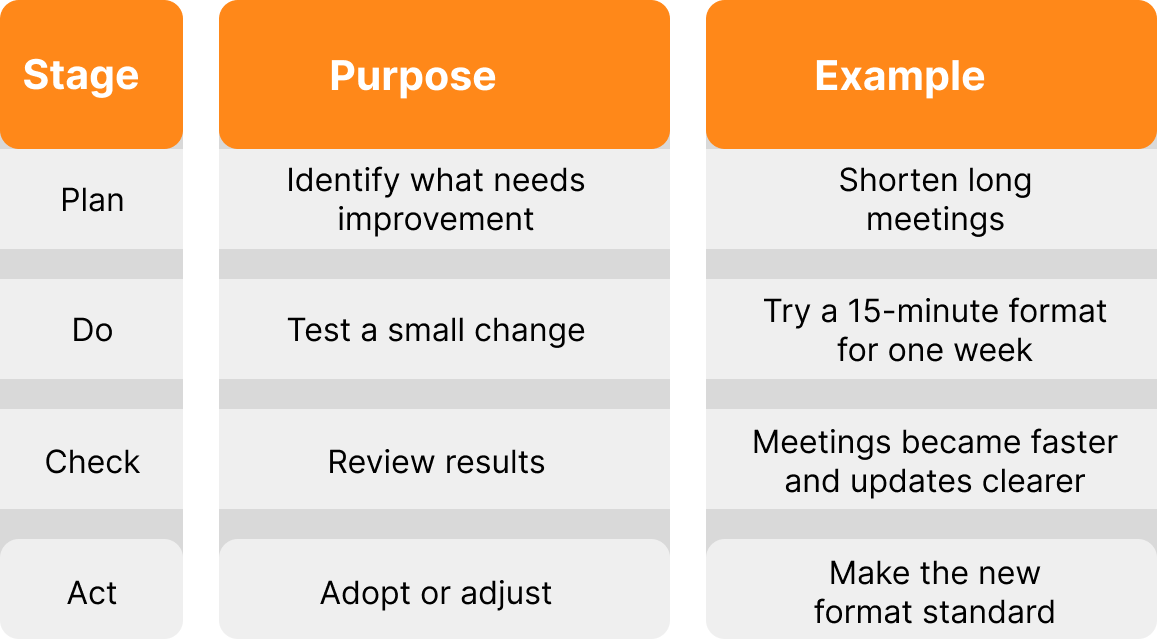
Example: Improving Weekly Meetings
A department noticed that weekly meetings consistently ran over time, reducing productivity. They applied PDCA: planned a new 15-minute format, tested it for one week, reviewed outcomes, and adopted the shorter structure permanently. The process eliminated frustration while keeping teams aligned.
3. When Workflows Confuse People or Cause Friction
Some workplace challenges are rooted in how people experience processes. Misunderstandings occur when expectations are unclear, creating frustration across teams.
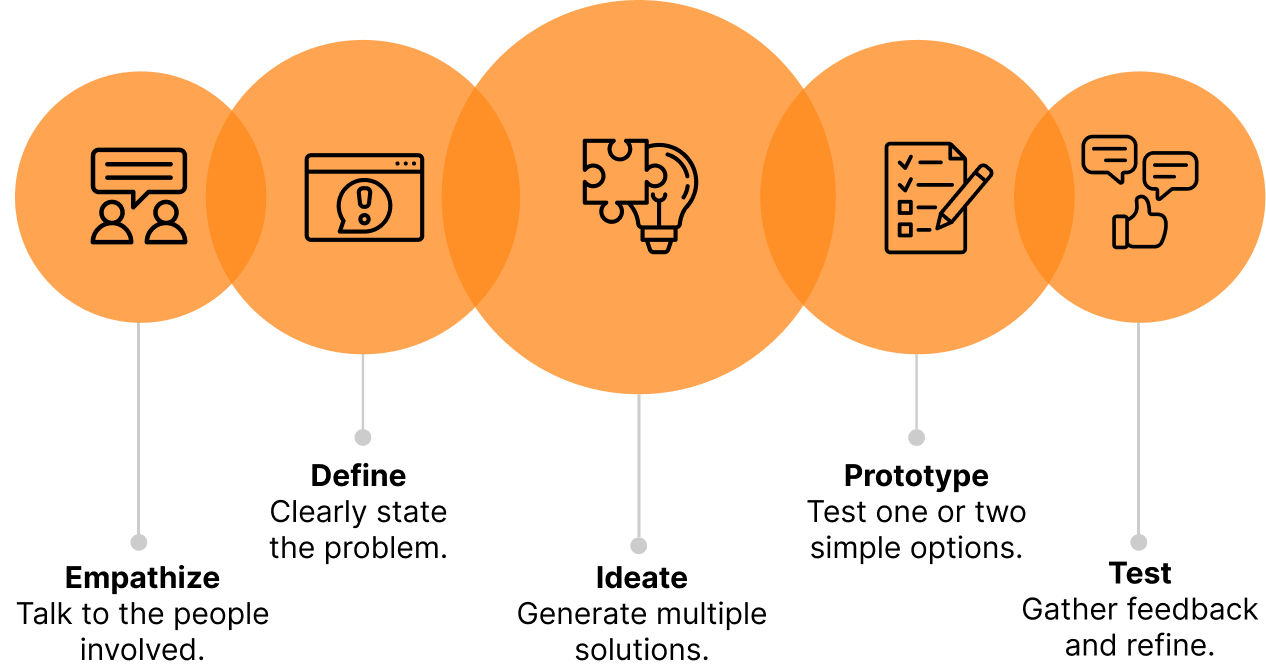
Design Thinking
Design thinking helps uncover problems from the perspective of those affected:
Example: Clarifying Request Handoffs
A marketing and product team complained that requests lacked sufficient detail. Interviews revealed inconsistent expectations rather than missing information. A shared checklist was tested for a week, significantly reducing confusion. Solutions based on actual team experiences led to lasting improvements.
4. When Conversations Become Unproductive
Discussions can become circular or tense when facts, ideas, and emotions are mixed. Structured conversation methods help teams communicate clearly and make decisions efficiently.
Six Thinking Hats
The Six Thinking Hats method separates discussion into distinct modes:

Focusing on one mode at a time keeps discussions organized and respectful.
Example: Structuring a Team Debate
A team debating whether to adopt a new tool used Six Thinking Hats: they started with the White Hat to review facts, then Yellow for benefits, and Black for risks. Following a structured approach prevented interruptions and miscommunication and helped the team reach a decision efficiently.
5. When Conflict Becomes Personal or Emotionally Charged
Some challenges involve misunderstandings or hurt feelings, which disrupt trust. Guided approaches help teams restore clarity and maintain respect.
A. Thomas-Kilmann Conflict Mode Instrument
The Thomas-Kilmann model helps people understand how they naturally respond to conflict, which is especially important when emotions rise or communication breaks down. It explains five common approaches:
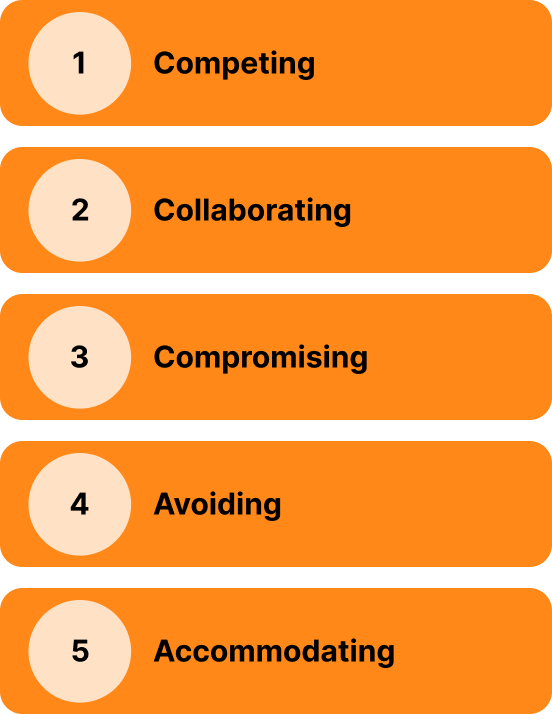
Each reflects a different balance between meeting your own needs and considering the needs of others. The value of the model is in helping leaders recognize when their instinctive style may not fit the situation.
For example, a competing approach can be useful when quick, decisive action is required, while collaborating is more effective when relationships and long-term outcomes matter. By learning to shift intentionally between these styles, teams handle disagreements with more clarity, purpose, and respect.
B. Nonviolent Communication (NVC)
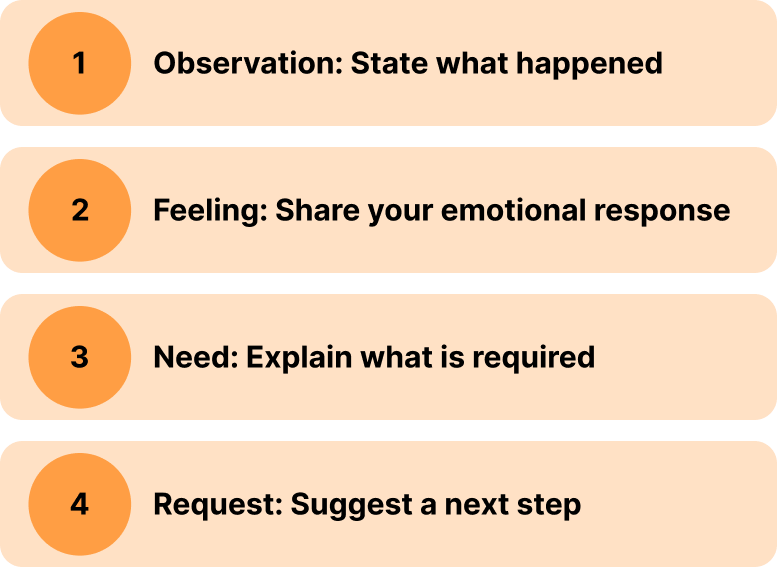
NVC offers a structured approach to difficult conversations:
Example: Giving Clear Feedback
“I noticed the report was submitted late. I felt concerned because the team needed it to complete their work. I need clearer expectations. Can we agree on a new timeline?”
C. Restorative Mediation
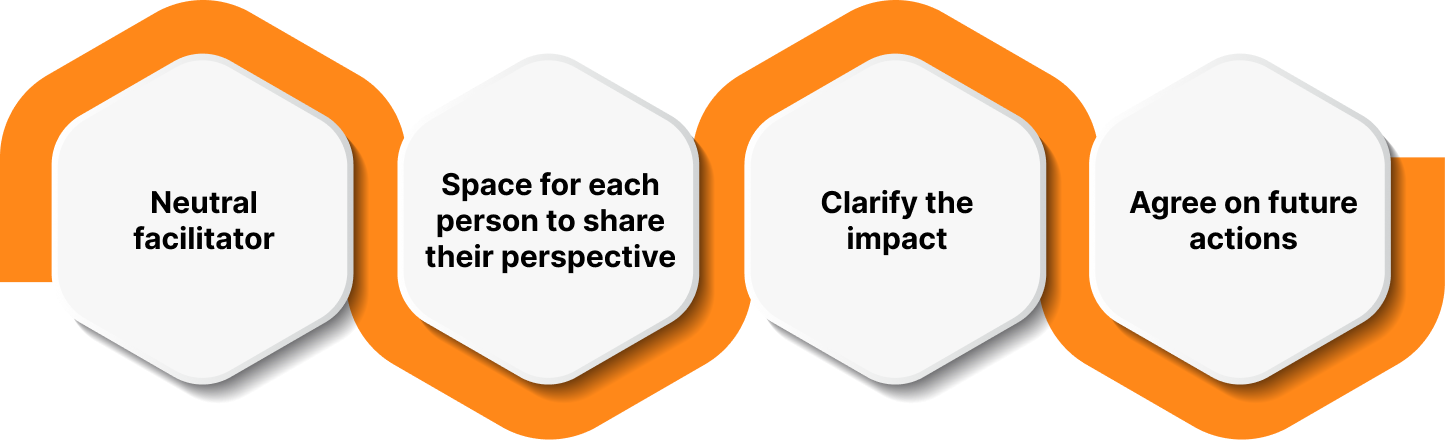
When conflict has escalated, guided mediation can restore trust:
Example: Repairing a Team Relationship
Two colleagues avoided collaborating after a disagreement. A facilitated session allowed each to share how they were affected, acknowledge mistakes, and agree on clear communication norms moving forward.
6. When Teams Lose Momentum or Confidence
After stressful projects or organizational change, teams may feel drained. Approaches that highlight strengths can rebuild confidence and focus energy on progress.
Appreciative Inquiry
Four steps help teams move forward constructively:
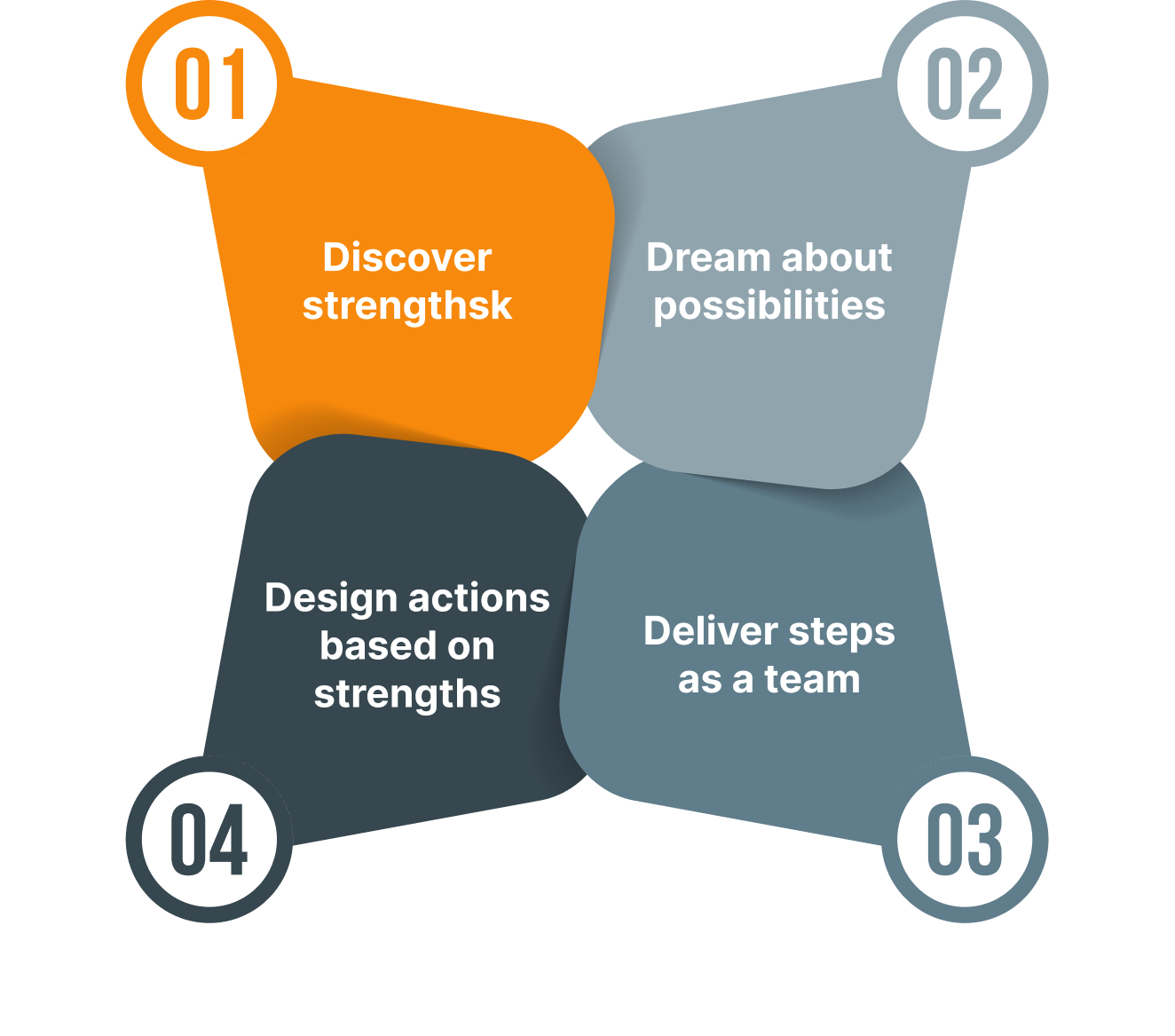
Example: Boosting Team Morale
Following a demanding quarter, a team used Appreciative Inquiry to identify past successes, imagine what was possible, plan next steps, and implement them together. Team confidence and engagement improved noticeably.
7. Foundations for Success
All strategies rely on psychological safety and emotional intelligence. Teams must feel safe to speak up and share ideas.
Practical Steps
- Ask check-in questions during meetings
- Review decisions with a learning mindset
- Coach leaders to manage reactions
- Set norms for respectful disagreement
- Train teams to listen and respond without defensiveness
These practices ensure strategies are applied consistently and effectively.
Difficult situations are part of every workplace. The difference lies in how teams respond. Structured methods, combined with supportive leadership, help teams handle tension and confusion with confidence. HR and L&D leaders play a key role by introducing practical strategies that guide managers and teams. With these approaches, teams communicate clearly, adapt quickly, and resolve challenges efficiently.
Equip Your Teams with KnowledgeCity, the Best Employee Training Platform in the USA
At KnowledgeCity, the best employee training platform in the USA, our learning library is designed to help organizations develop skilled, confident, and adaptable teams. With 50,000+ premium training videos covering leadership, communication, compliance, productivity, and essential workplace skills, we provide learning that is both comprehensive and practical.
Our courses go beyond theory. They teach teams how to think critically, approach problems systematically, and apply advanced frameworks in real workplace situations. Employees learn how to make better decisions, manage conflicts effectively, and collaborate seamlessly across departments. Every course includes practical exercises and scenarios drawn from real workplace challenges, so learning translates directly into improved team performance.
With KnowledgeCity, HR and L&D leaders can ensure their teams are equipped to perform at the highest level. Our platform transforms learning into measurable impact, helping organizations build capable, adaptable teams ready to meet any workplace challenge.