
You don’t need another reminder that AI is here. You’re already using it or being told you should. But the real opportunity isn’t in adding tools. It’s in rethinking how work gets done.
For HR, the shift begins when manual routines are replaced with intentional workflows. Systems take on what they can execute consistently and efficiently. People focus on judgment, relationships, and leadership. Both have distinct roles, and both need structure.
This shift requires more than new technology. It calls for a new way of thinking about how HR functions.
In this blog, we’ll break down what it takes to build a practical Human-AI workflow in HR. We’ll cover which tasks can be automated, which should remain human-led, and how to redesign roles and oversight so that the transition is effective.
Identifying Tasks Better Handled by Systems
A practical Human-AI workflow starts by mapping activities based on effort, impact, and repeatability. Many HR actions follow predictable rules and require consistency over nuance. These can be redesigned for system execution.
Here’s where the transition usually starts:
Resume Screening and Candidate Shortlisting
Matching job descriptions with resumes is mechanical work. Most organizations often receive hundreds or thousands of applications. HR teams can’t manually read every submission with equal attention. Pattern-based filtering systems can:
- Score resumes against the required and preferred qualifications
- Eliminate duplicates or incomplete applications
- Flag mismatches without bias from names or backgrounds
What remains is a smaller, relevant pool for recruiters to evaluate using human judgment.
Interview Scheduling and Coordination
Manually scheduling interviews with multiple stakeholders is one of the most time-consuming tasks in recruitment. Automated scheduling tools can:
- Find mutual availability across calendars
- Suggest optimal time slots
- Trigger confirmations and reschedules
This removes back-and-forth delays and ensures a smooth experience for both candidates and interviewers.
Leave Requests and Policy Queries
Most employee queries relate to policies, leave balances, or processes. When answers follow a defined rule, the response should not depend on an HR person’s availability. Self-service tools and policy-aware assistants can:
- Respond instantly to leave balance or eligibility questions
- Auto-route complex queries to the right contact
- Initiate leave workflows without human approval unless exceptions apply
This frees HR teams from hundreds of low-value interactions per month.
Tasks Where Systems Assist but Don’t Replace
Some workflows involve both structured data and human interpretation. In these cases, systems should provide insights and recommendations, while HR makes the final calls.
Predicting Attrition and Engagement Risks
AI tools can analyze:
- Declines in employee sentiment
- Response delays
- Participation in team events
- Change in work patterns
These signals are not enough on their own, but they provide early warning signs. HR teams can then explore deeper by checking in with employees or reviewing context with managers.
Identifying Skills and Development Gaps
Learning platforms can map employees’ skills against their role requirements. They can suggest:
- Courses to fill specific gaps
- Stretch assignments aligned with career paths
- Coaches or mentors with relevant experience
But these are only starting points. Conversations about readiness, ambition, and learning style still require a manager’s insight.
KnowledgeCity’s AI-powered Training Needs Analysis (TNA) and Competency Mapping tools identify skill gaps and map learners to the most relevant training content based on their specific roles, responsibilities, and development goals. This ensures that every learning recommendation is tied directly to what the business needs and what the individual is ready for.
For organizations seeking deeper alignment with internal job frameworks, our expert content curation team provides human-led competency mapping services, creating a customized learning architecture that mirrors your organizational structure and strategic priorities.
Reviewing Interview Performance
Video analysis systems can evaluate:
- Response fluency
- Energy and confidence
- Communication clarity
This information helps standardize feedback, but final hiring decisions must include values fit, motivation, and team alignment, elements that require interpersonal understanding.
Similarly, performance reviews benefit when systems and people work together. Explore how AI is transforming performance reviews, from reducing bias to surfacing growth signals, and how HR and L&D leaders can maintain fairness and trust while using these tools.
Activities That Must Remain Human-Led
No tool can replace the relational and ethical aspects of HR. In a human-AI workflow, these become core responsibilities.
Conflict Resolution and Escalation Management
Tensions within teams, harassment reports, and cultural misalignment require human presence. This is where HR must demonstrate empathy, listen without judgment, and guide resolutions with fairness.
Organizational Design and Change Communication
When roles shift, or reporting lines change, or policies are rewritten, the impact on people is real. HR must explain, contextualize, and guide teams through transitions, something no automated message can handle well.
Talent Development Conversations
Systems can highlight trends, but actual coaching, career planning, and performance feedback are deeply human. These discussions shape motivation, clarity, and growth.
Building a Practical Human-AI Workflow in HR
To adopt a Human-AI model effectively, HR teams need more than new tools. They need to intentionally redesign how work is done, how decisions are made, and how responsibilities are shared between systems and people.
Here is a structured way to begin:
1. Map All HR Activities with Clear Criteria
Start by listing all recurring HR tasks. Review each task using three criteria:
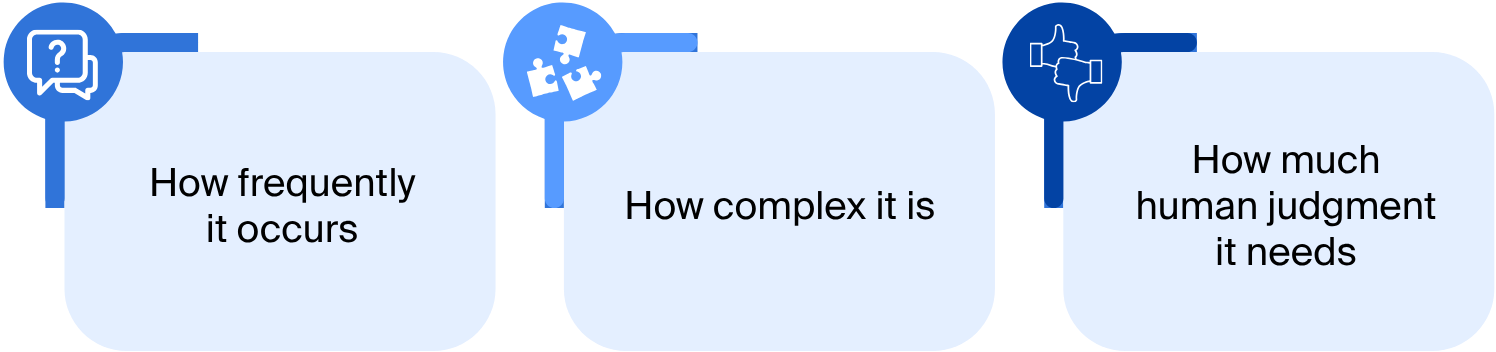
This helps categorize tasks into three groups: those suited for automation, those where systems can support people, and those that must remain human-led. Avoid overgeneralizing. Some tasks might look simple but carry hidden context or emotional weight.
2. Separate System Actions from Human Decisions
For every process, define the role of technology and the role of people. Clarify:
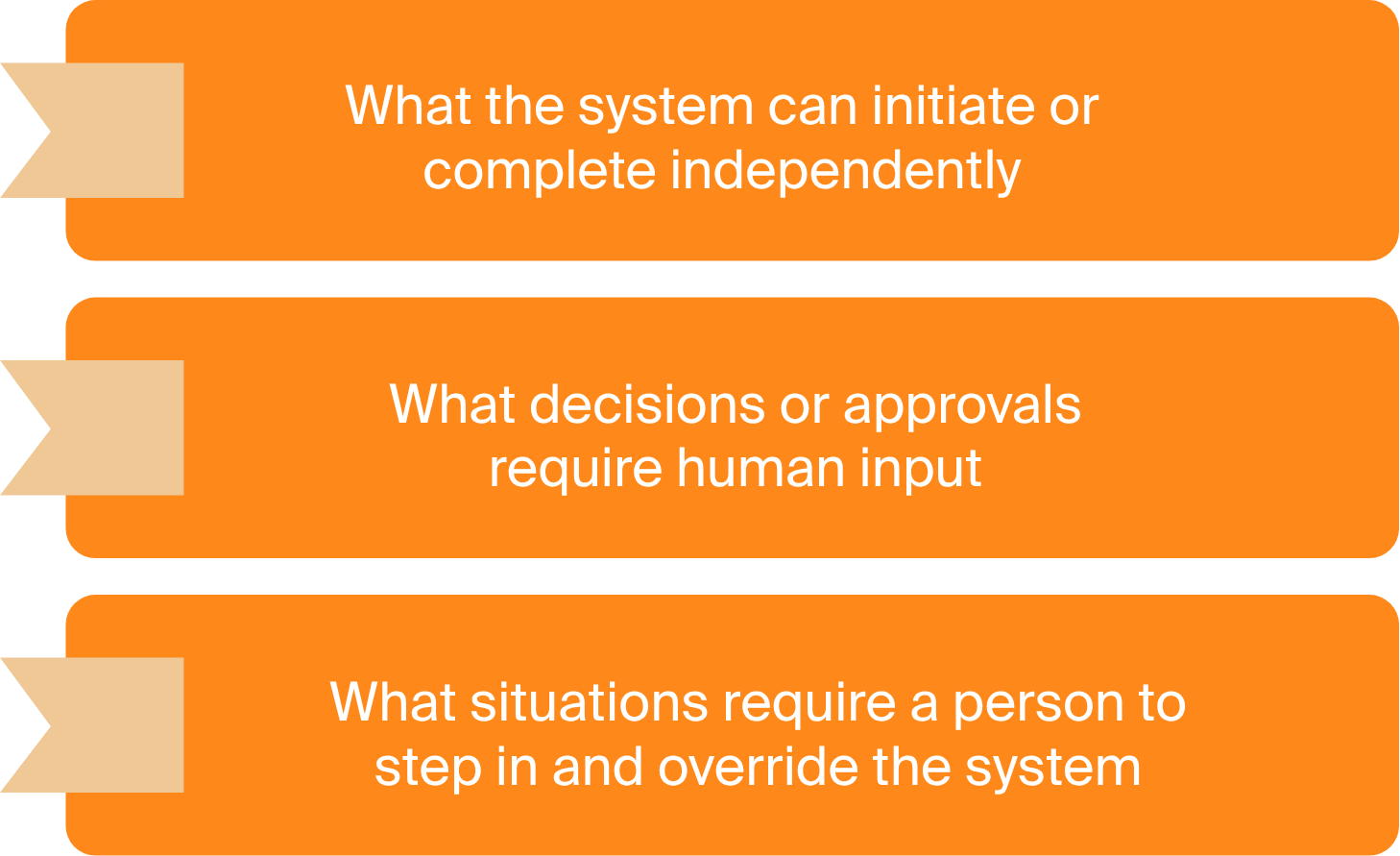
Write this down and keep it visible. When roles are unclear, tasks either stall or get duplicated. Well-defined responsibility builds confidence and accountability.
3. Restructure HR Roles to Focus on Value
Once routine tasks are automated, HR teams can be reassigned to focus on more strategic work. This includes:
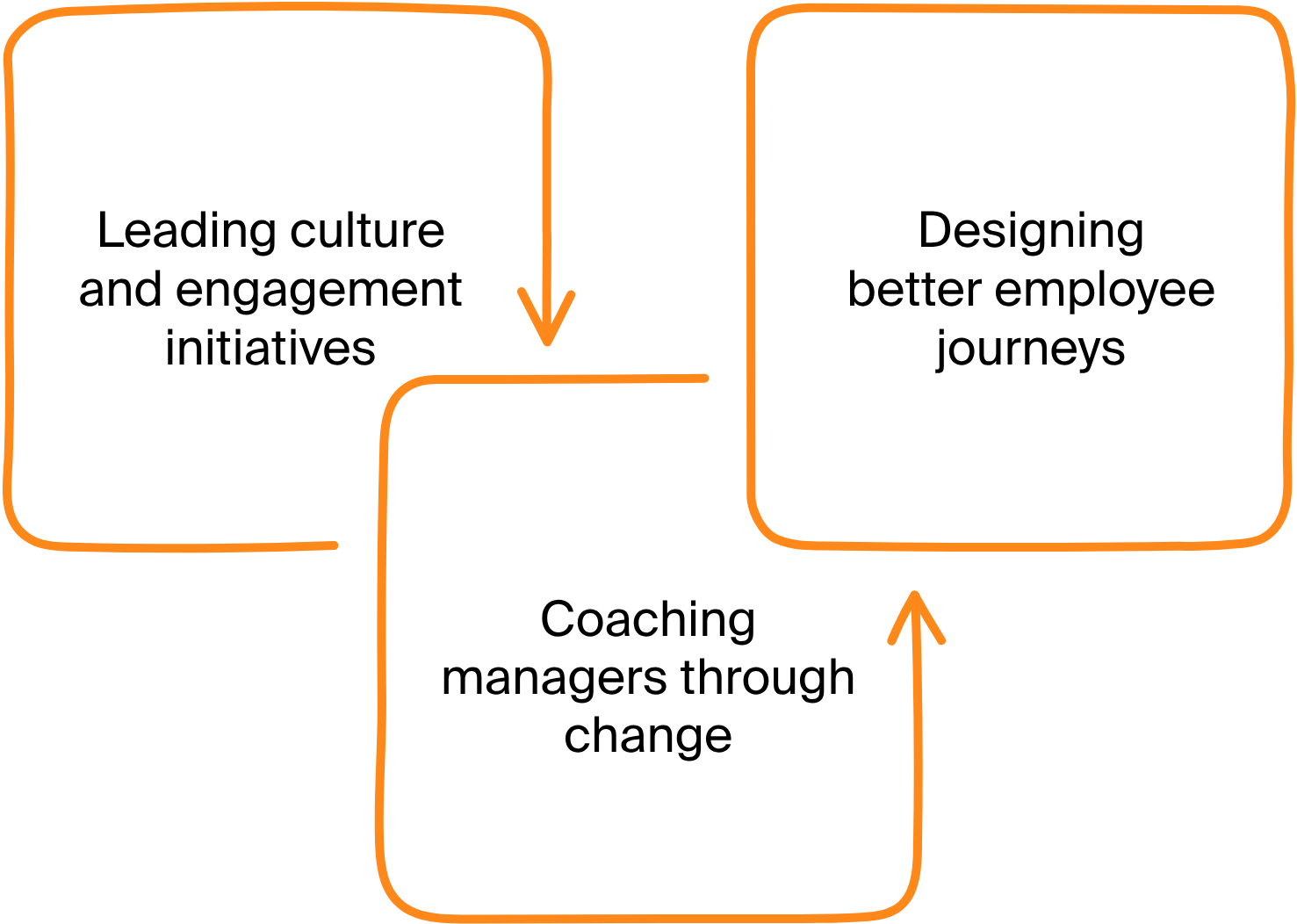
At the same time, new responsibilities emerge. Some HR professionals will need to oversee system accuracy, monitor bias, and manage exceptions. These roles are critical to maintaining trust and fairness in automated workflows.
4. Put Oversight at the Center of Automation
Automation does not eliminate the need for control. Every workflow needs structured checks to ensure it performs as expected. Build in:
- Detailed audit logs that show how each decision was made
- Employee feedback channels for system-generated actions
- Regular reviews focused on fairness, accuracy, and impact
Review outcomes with a purpose. For example:
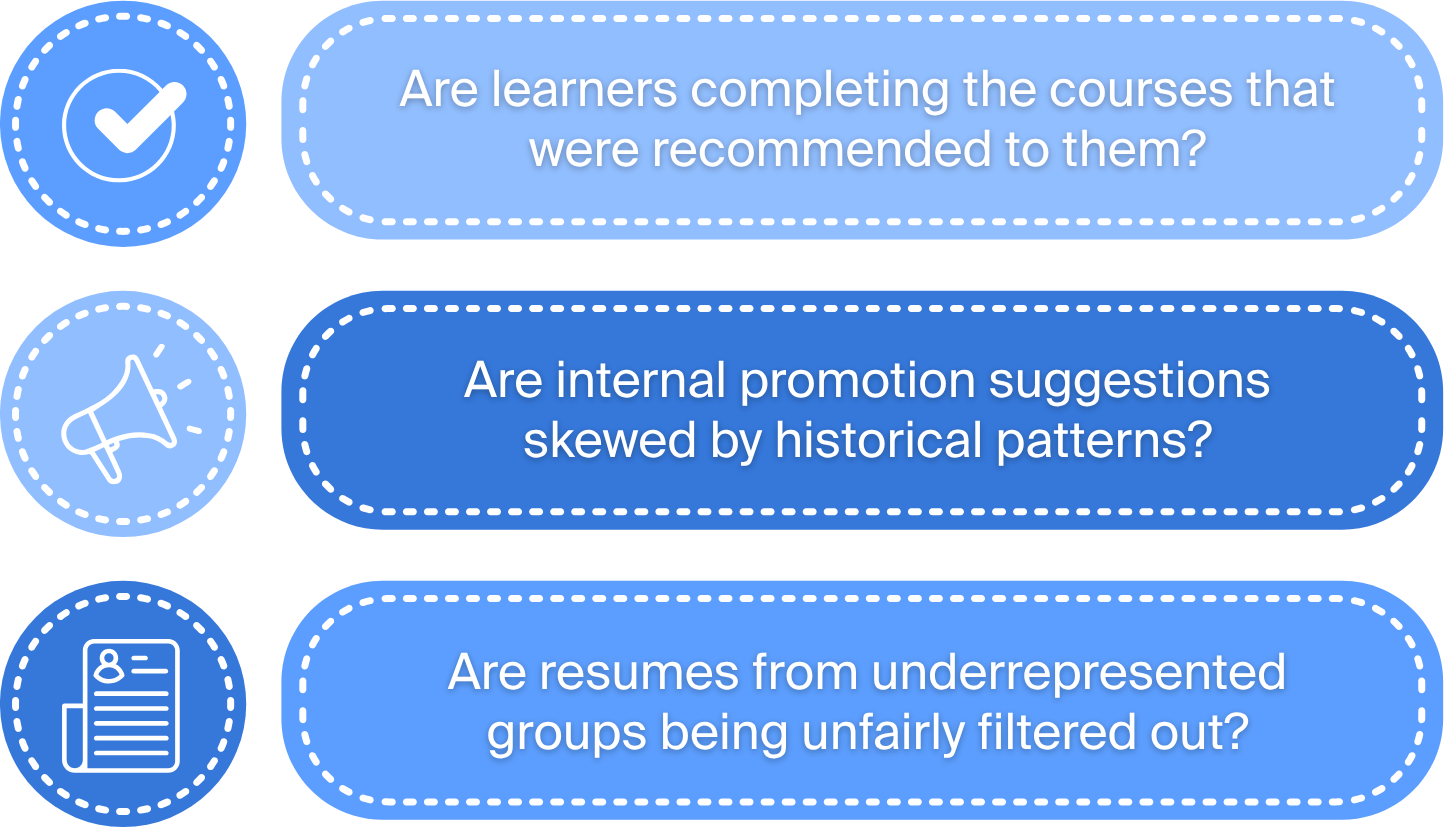
Oversight is not an afterthought. It is how trust is maintained, patterns are improved, and risks are caught before they spread.
Making the Shift Work: Critical Enablers
Implementing these workflow changes is only half the challenge. For the shift to be sustainable and effective, HR must also build the right capabilities across the team, such as:
1. Workflow Thinking
HR professionals must move from role-based work to flow-based design. That means:
- Viewing work as sequences of actions across tools and teams
- Identifying bottlenecks
- Designing feedback points into the system
2. Tool Governance
HR should define how tools behave, not just what they do. This includes:
- Who sets rules and exceptions
- Who reviews system actions
- How employees appeal automated decisions
3. Context-Aware Communication
Whenever a tool takes action, employees need to know:
- Why was something done
- What inputs were used
- How can they respond or escalate
Clear, timely, and transparent communication is essential to building trust.
4. Team Confidence in Systems
Train HR teams not just to use tools, but to supervise them. Build skill in:
- Reviewing outputs for bias
- Adjusting parameters to match policy changes
- Explaining outcomes to stakeholders
This Is a Design Challenge, Not a Tech Adoption
The real opportunity in HR today is about building better ways of working, ways that honor both the speed of systems and the insight of people.
Organizations that design strong Human-AI workflows don’t just save time. They:
- Improve fairness in decisions
- Increase visibility into workforce risks
- Deliver faster, better employee experiences
- Position HR as a core partner in business execution
What HR owns today is no longer limited to policy, compliance, or hiring. It includes the systems that shape how employees experience the workplace. Designing those systems and leading with humanity is the new HR mandate.