
As an HR professional, you’ve always carried the responsibility of employee growth, but that responsibility has taken on new dimensions. Your employees now view learning as central to their careers, while your organization depends on development that builds skills for both today and the future. The half-life of many technical skills is shrinking, making today’s expertise potentially irrelevant in only a few years. If you wait too long to adjust, you risk falling behind.
Creating growth that is both personal and practical calls for new ways of thinking. One valuable source of inspiration comes from product management. Product managers guide a product through its entire lifecycle: they identify needs, build solutions, add improvements, track performance, and adjust direction based on feedback and data. Their role is to ensure that what they create continues to deliver value over time.
In this blog, we will explore how you can apply these same principles to employee development. By listening closely to your employees’ needs, introducing new opportunities, and measuring what works, you can design programs that adapt as both careers and business priorities evolve.
What HR Can Learn From Product Management
Product managers succeed because they build with discipline. They understand the people they serve, they test ideas, they measure outcomes, and they adjust quickly. You, as an HR professional, can use the same approach to transform employee development.
Key lessons include:
- Focus on the user: Your employees are the end users of development programs. Their needs and experiences must guide design.
- Iterate continuously: Development should not be fixed for years. It should evolve with feedback and changing business needs.
- Align with strategy: Growth programs must build skills that match the future direction of your organization.
- Measure success: Data should inform your decisions about which initiatives to expand, which to adjust, and which to close.
These principles allow you to move from reactive planning to proactive design.
Your Employees as the End Users of Development
Every product starts with a deep understanding of the customer. For you, your employees play the same role. If development is created without listening to them, it will not gain adoption or trust.
Practical ways you can build this understanding:
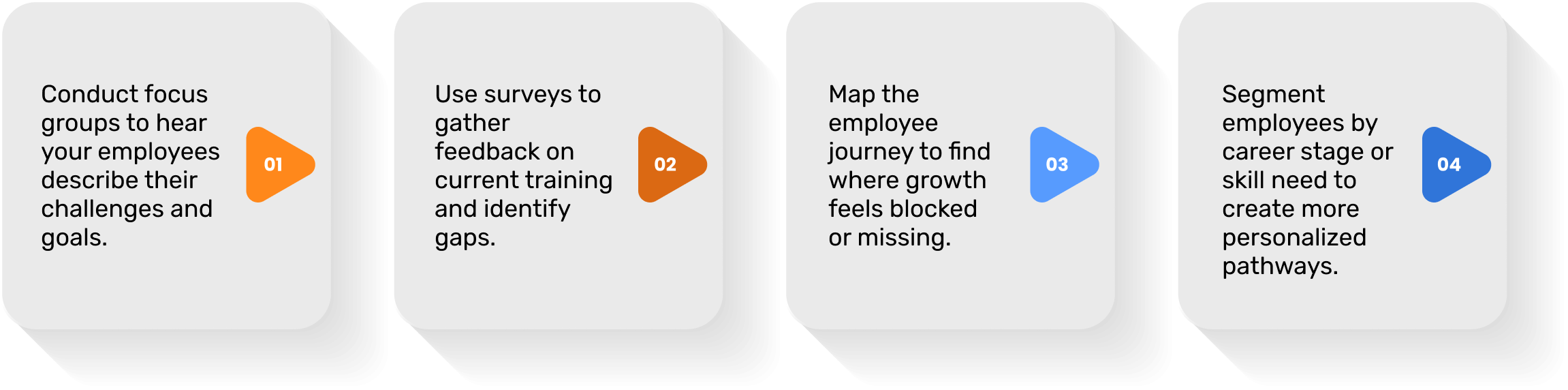
This is where modern tools like KnowledgeCity’s AI-powered Training Needs Analysis (TNA) add value. Instead of relying only on manual surveys or guesswork, AI TNA quickly pinpoints the exact skills gaps across your workforce. It identifies strengths, highlights emerging needs, and provides clear, data-backed recommendations for training. This makes your programs both more accurate and more relevant to the employees who depend on them.
Managing the Lifecycle of Skills
Skills do not remain valuable forever. They follow a natural cycle. New skills appear, grow in importance, peak in demand, and eventually decline as new methods or technologies replace them.
You can gain clarity by viewing skills through this lifecycle. Instead of reacting late, you can prepare your employees before gaps appear.
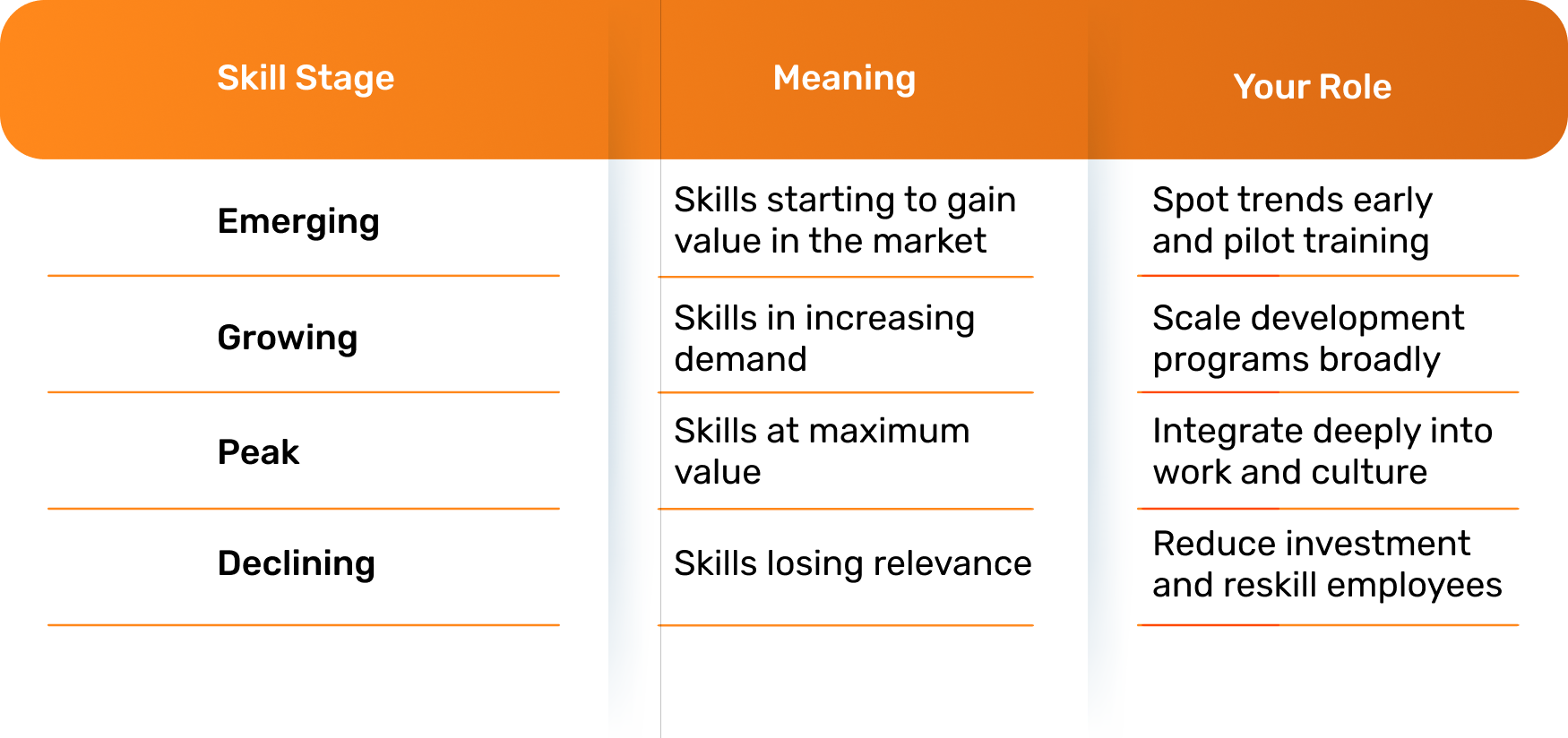
This approach creates confidence for both your employees and your organization. Your people know they are not left behind, and you know your workforce is ready for the future.
Aligning Growth With Your Business Priorities
One of the hardest tasks for you is balancing employee aspirations with organizational needs. Both matter equally. Your employees want growth that supports their careers. Your organization needs skills that drive results.
Here are a few practical steps to align both sides:
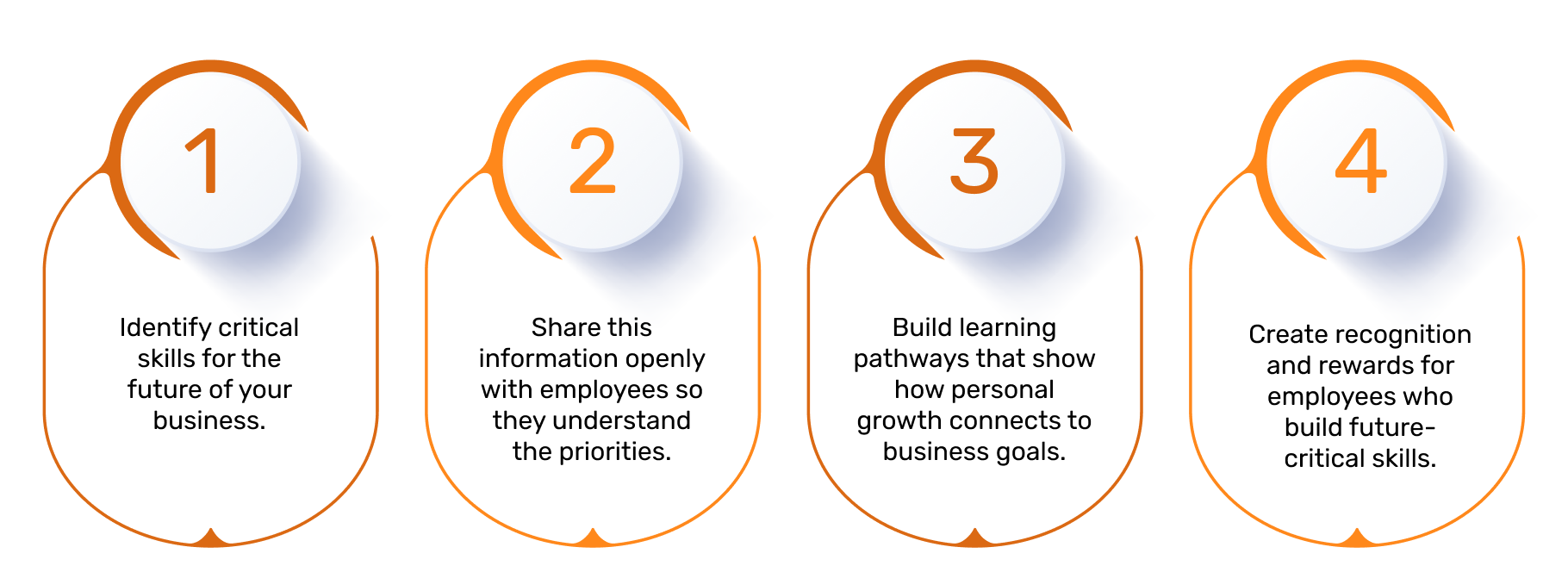
This balance turns development into a shared mission. Your employees feel ownership of their learning, and your business sees direct value from development investments.
Designing Development as a Complete Experience
Learning cannot feel like a disconnected event. To succeed, it must be woven into your employees’ daily experience. Training sessions alone are not enough. Development must be designed as an ongoing journey.
Ways you can create this experience:
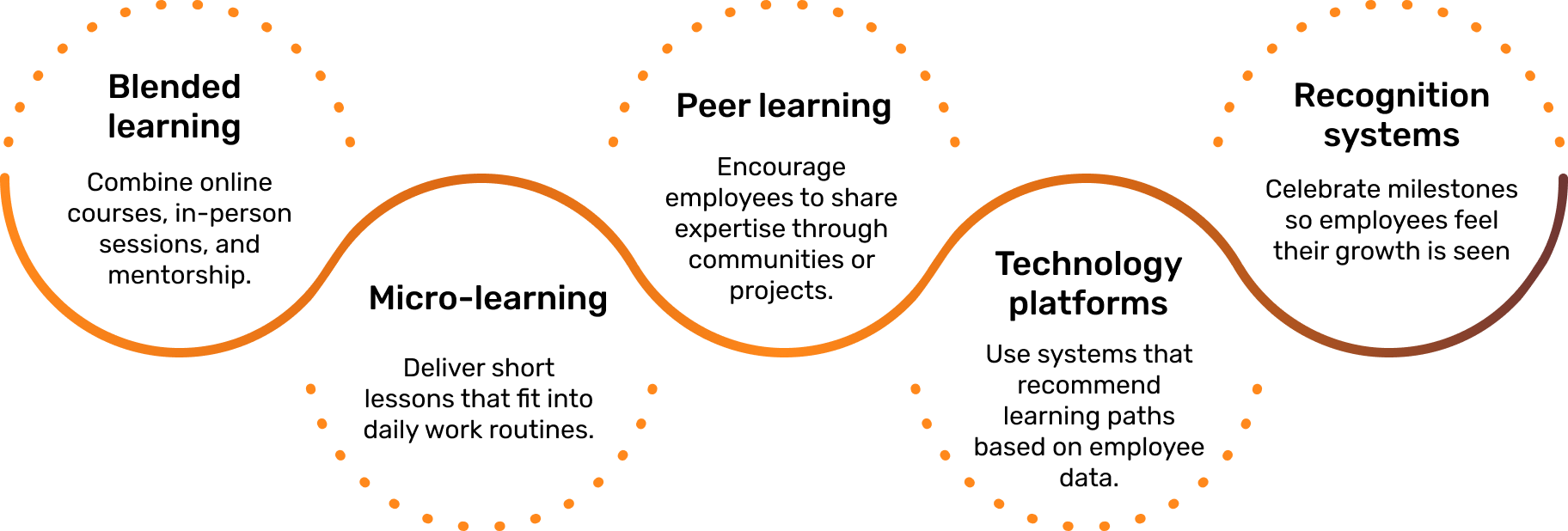
When learning becomes part of the flow of work, it feels natural and motivating rather than forced.
Using Data to Guide Development
Product managers measure how their products perform. You must take the same approach. Without data, development becomes guesswork. With data, it becomes a system of continuous improvement.
Useful metrics include:
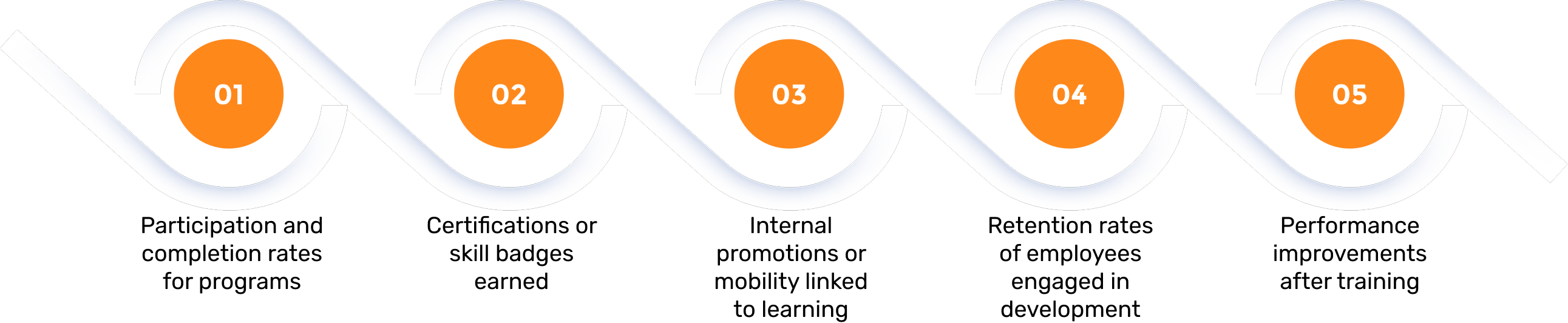
This data not only shows impact but also builds credibility with your business leaders. It proves that development is not just a cost but an investment with measurable return.
Practicing Agility and Iteration
Many HR programs fail because they aim for perfection before launch. In fast-changing environments, this delays impact. Product managers take a different path. They launch small, gather feedback, and improve.
You can bring agility into development by:
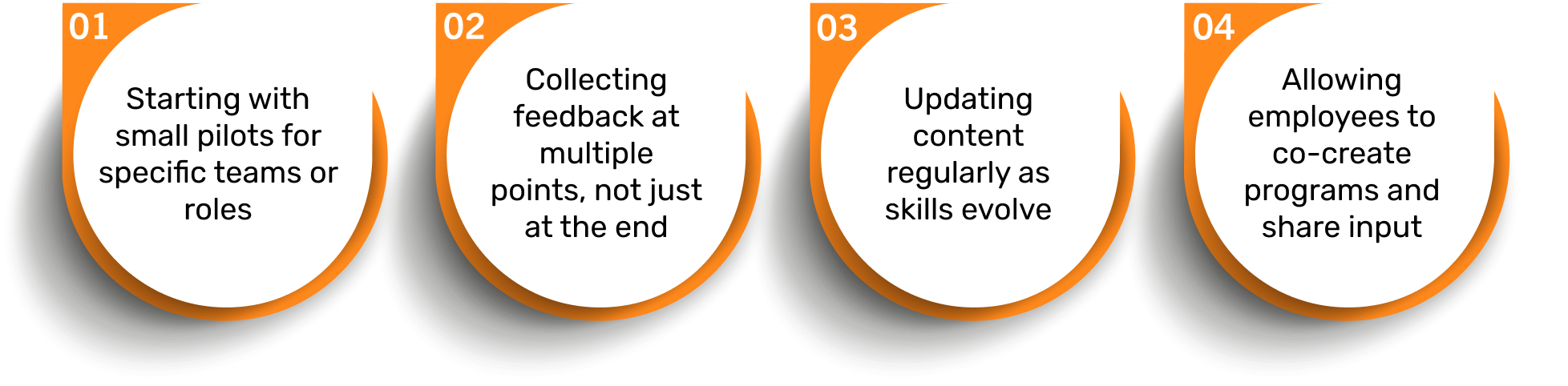
An iterative approach makes your development efforts flexible and responsive. It ensures programs stay relevant instead of becoming outdated.
The Shift for HR
When you adopt a product management mindset, your role itself changes. You are no longer only an organizer of training events. You become a builder of growth systems. This creates benefits across your organization:
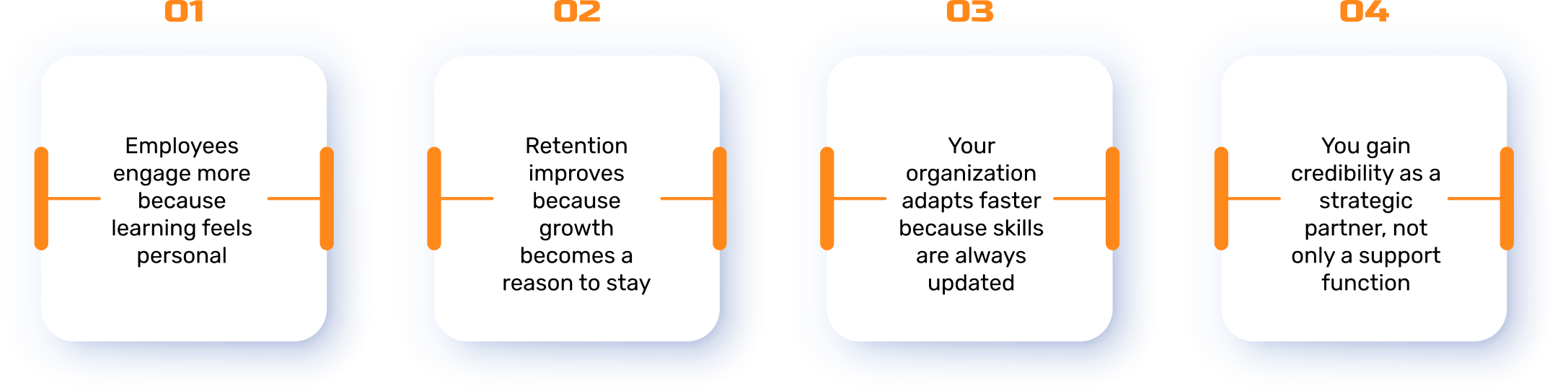
This shift allows you, as an HR professional, to move closer to the core of business priorities. Development becomes the foundation of your organization’s resilience.
Leading With Confidence
Adopting this mindset requires courage. It means letting go of older ways of working and experimenting with new ones. It asks you to act with empathy toward employees, discipline toward data, and clarity toward business goals.
The organizations that thrive in the coming years will be those that treat employee growth as their greatest product. You have the opportunity to lead that transformation. With KnowledgeCity, you have a platform designed to make it real.
KnowledgeCity is the best employee training platform in the USA, built to support every stage of development. Our extensive course library, compliance-ready programs, and AI-powered LMS help you identify skill gaps, personalize growth, and measure results. With us, training evolves into a powerful system that keeps employees engaged and your organization future-ready.