
Developing a successful compliance training program may seem like a clear objective, but there are many issues that could derail your efforts. One of the most intimidating aspects of compliance training is that there’s little room for error when it comes to getting nearly everyone on board.
Whether you’re talking about safety compliance, fraud prevention, or maintaining a respectful work environment for all employees, a few policy violations can cause serious consequences—ranging from employee resignations and negative publicity to government fines and lawsuits.
You can avoid these problems or deal with them early on by delivering effective compliance training.
Why do Compliance Trainings Fail?
According to data gathered by Gallup, one of the main reasons a compliance training fails is that it’s poorly prepared and presented. Participants found the programs uninspiring and unmemorable. Only 23% of survey respondents who attended a recent compliance or ethics training session rated the experience as “excellent.”
Regarding the takeaway benefits of compliance training programs, the feedback was even worse. Gallup’s surveys indicate that only one in ten participants strongly agree that they learned something that changed how they do their work.
How to Deliver Effective Compliance Training
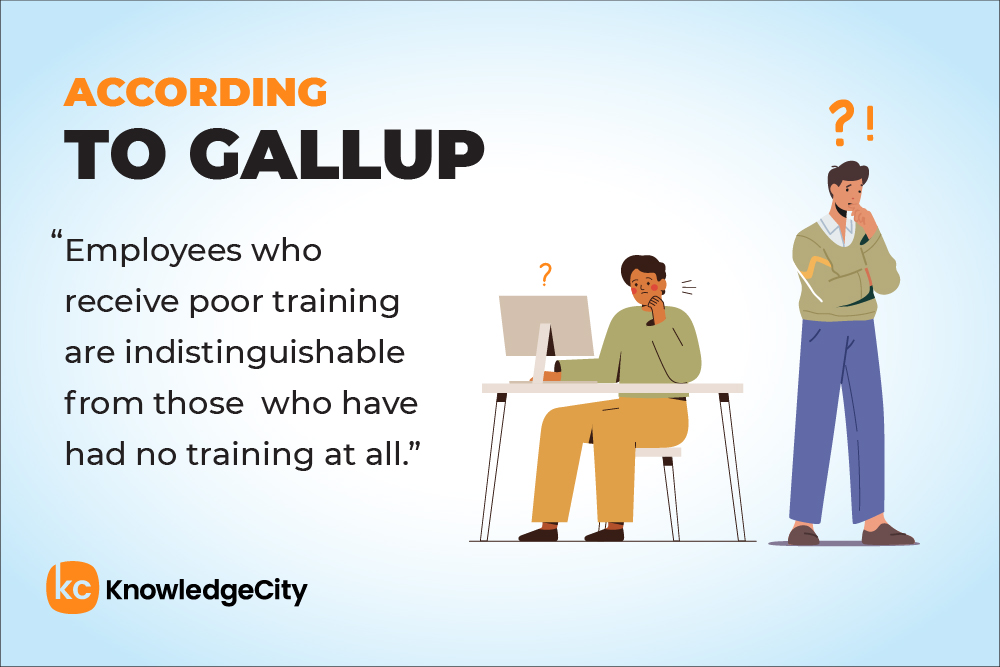
As Gallup researchers have made clear, “Employees who receive poor training are indistinguishable from those who have had no training at all.” Simply going through the motions or presenting the information in a bland, uninspired way usually produces little to no measurable changes in behavior, work habits, or communication skills.
Since the objective of compliance training is to positively influence behavior and inspire employees to be proactive, programs need to be engaging and motivate people to report harassment, dishonesty, fraud, or safety violations—anonymously, if they so choose.
Here are a few compliance training best practices and tips to help you design and deliver informative, impactful, and well-received programs.
Capture attention and make an impression. Multimedia presentations, interactive workshops, well-produced training videos, quiz games, and role playing can all be used to captivate your audience. Holding their attention and instilling the value of your company’s policies and procedures are among the cornerstones of an effective compliance training program.
Have managers and executives set a good example. The success of any compliance program depends, to a large degree, on how committed managers and executives are to regulations, ethics, and company policies. The example they set will be the standard to which others will aspire. If employees detect any indifference among managers or corporate officers about policies and procedures, then that attitude tends to be adopted and passed along.
Emphasizing to department heads that it’s important for them to serve as positive role models helps compliance training programs stand a better chance of long-term success.
Counteract unconscious biases. An integral part of effective compliance training is recognizing that many people have preconceived notions about things like inclusiveness, equality, and treating everyone with respect. By bringing these biases out in the open and making everyone aware of their consequences, employees will become more conscious of how their behavior has a “ripple effect.” That effect can impact working relationships, people’s feelings, and the company’s overall well-being.
Implement checks and balances. When it comes to harassment and inappropriate behavior, a company may choose to implement a zero-tolerance policy. The reasons can range from concerns about employee retention to lawsuit prevention.
Maintaining a positive public image is also a priority for most medium-to-large companies, especially because of the impact of online reviews and social media posts. A few negative reviews by current or former staff members can seriously undermine a company’s recruiting efforts and employee morale.
Effective compliance training inspires employees to take responsibility for their actions and gives them the means to anonymously report offensive, illegal, fraudulent, unsafe, or dishonest workplace behavior. A hotline or other reporting system may serve as a partial deterrent and will provide employees with the appropriate recourse when they observe or experience unacceptable behavior.
How to Avoid Compliance Training Mistakes
Record keeping can help your company identify patterns, both positive and negative, in employee compliance. It’s helpful to know whether desired benchmarks are being reached, or if it’s time to adjust HR policies and communicate those revisions to personnel. Other things to evaluate are the frequency of training programs, the percentage of employees participating, and the degree to which that training was internalized and applied.
There are many reasons compliance programs fall short of their mark; let’s discuss some tips on what not to do.
While it’s useful to know how many employees completed training, the data that carries the most weight are statistics about changed behaviors, demonstrated understanding of policies and procedures, and the use of newly acquired skills. In other words, what, if anything, has changed?
Metrics are often incomplete and lack a “big picture” context. A thorough and meaningful report includes the number of employees who were disciplined for misconduct, in addition to the total number of personnel who violated company policies. Without both sets of figures, the data fails to tell the whole story.
The lines blur between legal accountability and compliance effectiveness. The two objectives are separate and distinct.
For example, having employees sign a statement saying they’ve read and understood your company’s policies, procedures, and codes of conduct may be a good start. But it provides little indication that they’ve internalized those policies and taken them seriously. It’s also possible they’ve signed the statement after quickly skimming it, or maybe not even reading it at all.
Survey results are often biased and skewed because employees may be reluctant to turn in coworkers or implicate themselves or colleagues in any actual or perceived misconduct. This is an important fact to consider when choosing survey questions, presenting them to employees, and analyzing results.
Successful employee compliance programs contain a lot of “moving parts.” Because of the complexities and potential communication barriers involved in effectively training employees, it helps to learn as much as possible about compliance training before rolling out a company-wide program.
Considering the time, expense, and high expectations involved in delivering effective compliance training, it could pay to base your programs on models that have worked well in the recent past.
Sign Up for Compliance Courses with KnowledgeCity
Whether you’re looking to stop workplace harassment or develop a meaningful code of conduct and ethics for employees, KnowledgeCity offers a range of informative online compliance courses to help you design an effective program using compliance training best practices. In addition to exploring our course offerings, we also invite you to download our free guide on how to implement a successful employee training program.